
You cannot really get to know Madeira’s food traditions without hearing about poncha — one of the island’s most famous traditional drinks.
For locals, poncha is not just a cocktail but part of the culture, history and social life. Friends meet over a glass of poncha, end the working day with it and catch up on the news.
Where poncha comes from
There are several theories about its origin. One of the most popular links it to British punch, whose recipe reached Madeira through maritime trade.
Poncha is especially closely tied to the fishing town of Câmara de Lobos. The local fishermen are said to have drunk it to warm up after going out to sea.
What real poncha is made of
The traditional recipe has only a few ingredients:
- Aguardente de cana — local sugar-cane spirit.
- Freshly squeezed lemon or orange juice.
- Honey or sugar, depending on the recipe.
It is mixed with a special wooden stirrer called a mexelote, also known by the cheeky nickname caralhinho.
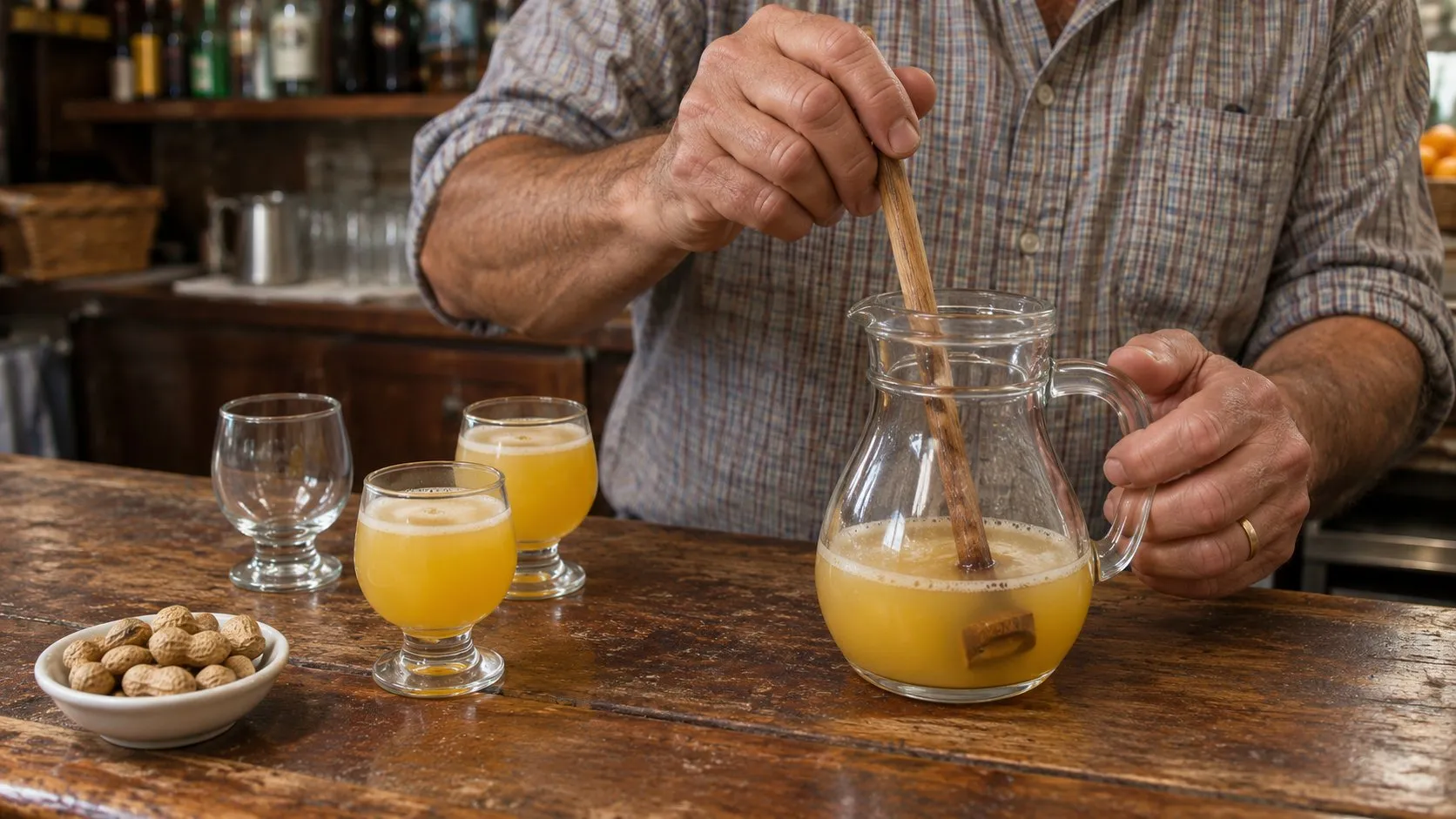
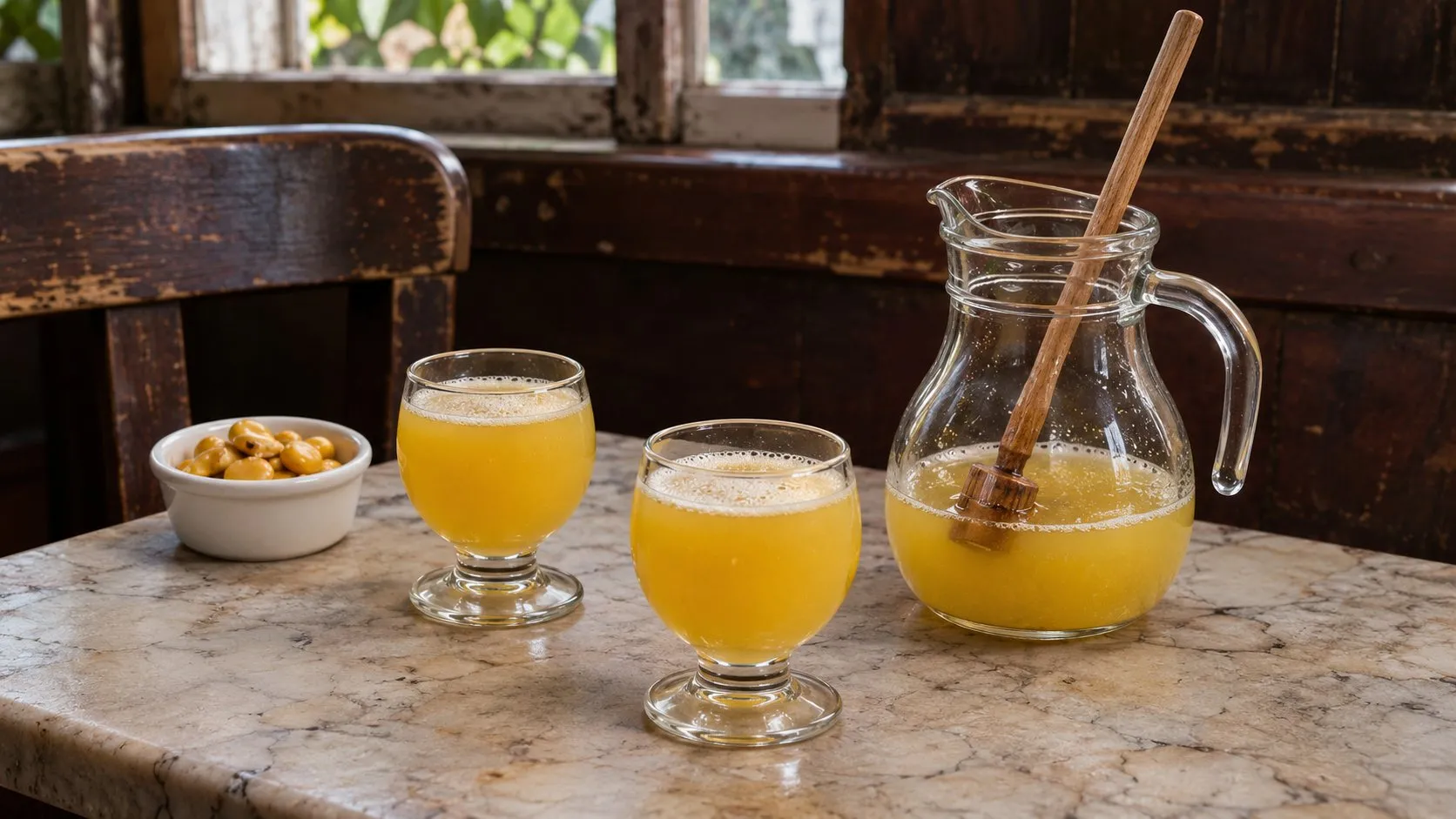
Real poncha is traditionally made just before serving. Fresh fruit juice and good cane spirit are what give it its flavour.
Types of poncha
Poncha à Pescador — fishermen’s poncha. Lemon, sugar and cane spirit. Strong, tart and not too sweet.
Poncha Regional — the classic regional poncha with orange and lemon juice and honey.
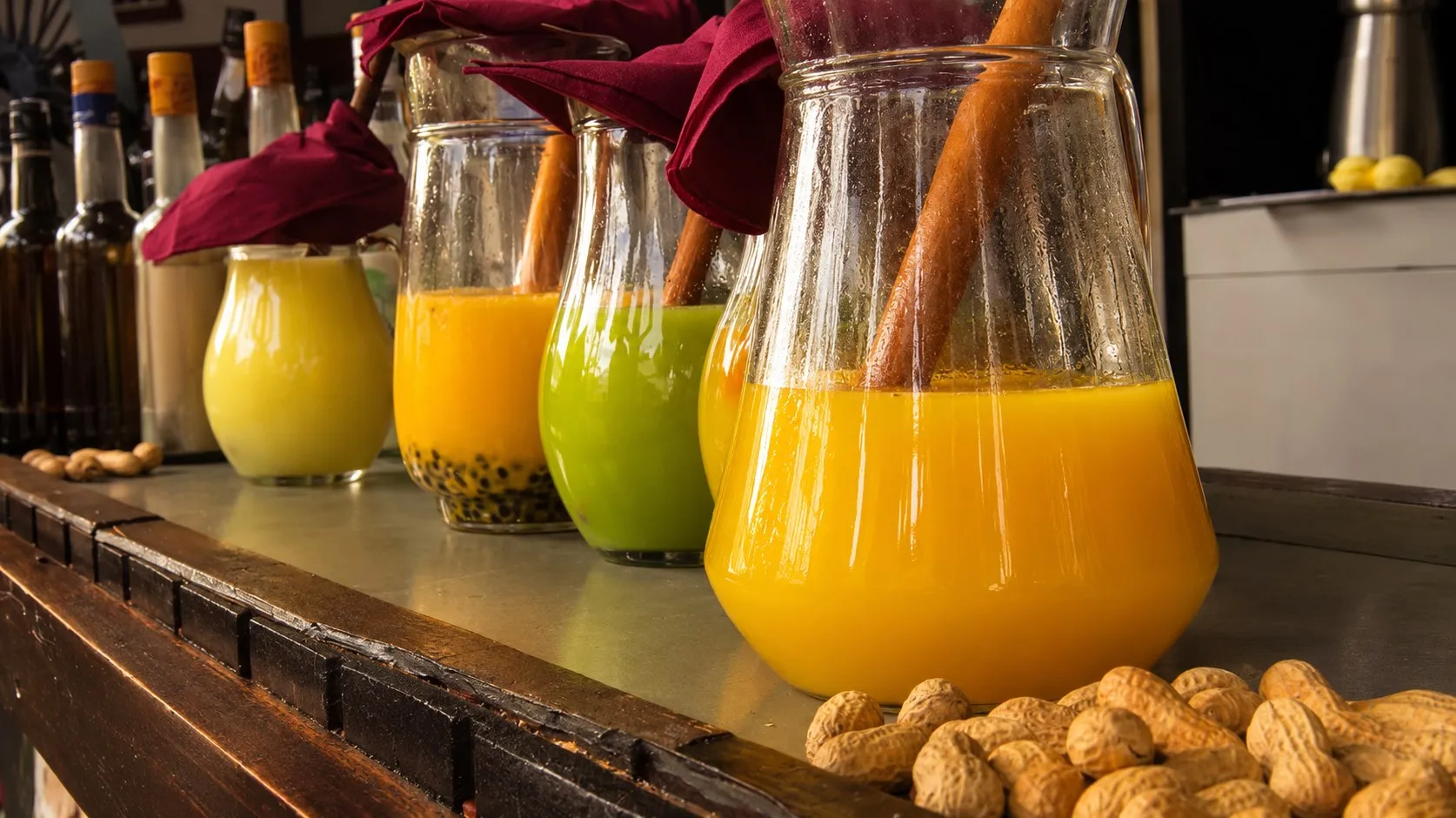
Poncha de Maracujá — passion fruit. More aromatic, with a distinctly tropical taste.
Poncha de Tangerina — tangerine poncha, especially good when local tangerines are in season.
There are also modern versions with strawberry, pineapple, pitanga and other fruit.
Where to try real poncha on Madeira
Taberna da Poncha — Serra de Água
One of the island’s most famous taverns. The walls are covered in visitors’ business cards and football scarves, and by tradition peanut shells go straight on the floor. A handy stop on the road from the south to the north of the island — we stop here on the Quiet North Madeira tour.
A Venda do André — Quinta Grande
A historic place that has been open for more than 70 years. It keeps its old furniture, photographs and household objects, and the atmosphere of a traditional Madeiran tavern.
Bar Filhos D’Mar — Câmara de Lobos
A great place to get a feel for the island’s fishing traditions. It is also known for its unusual black poncha — Poncha Negra.
Rei da Poncha — Funchal
A popular spot in the centre of the capital with a wide choice of fruit ponchas.
Venda Velha — Funchal
An atmospheric bar in the historic part of town that recreates a traditional island shop of the early 20th century.
Peter’s Grutas — Faial
A good place to try poncha while exploring the north-east of the island.
What to have with poncha
Madeira has a lovely tradition called dentinho — a small snack often served with your drink.
Most often it is peanuts or pickled lupin beans (tremoços), and sometimes small portions of meat or other local dishes. For more on what to try, see the Madeira food guide.
How much does poncha cost?
A glass usually costs between €2 and €5, depending on the place and the type of poncha.
Despite its pleasant fruity taste, poncha is a fairly strong drink; how strong depends on the proportions. Don’t drive after a tasting.
How to spot real poncha
Look out for a few details:
- It is made right in front of you.
- Fresh fruit is used, not ready-made syrups.
- The base is locally produced cane spirit.
- The ingredients are mixed with a traditional wooden stirrer.
Bottled poncha from the supermarket and freshly made poncha in a traditional tavern are completely different experiences.
On my private Madeira tours we can stop at traditional taverns, visit a historic sugar-cane rum distillery and see how this famous drink is made.
Getting to know the island is not only about mountains, the ocean and waterfalls — it is also about its history, people, flavours and traditions.
Which poncha do you like best — fishermen’s, regional or passion fruit?


